Choosing Professional HVAC Services for Reliable Heating and Year-Round Comfort
How the right HVAC experts help homeowners enjoy dependable heating, better energy efficiency, fewer unexpected breakdowns, and lasting indoor comfort.

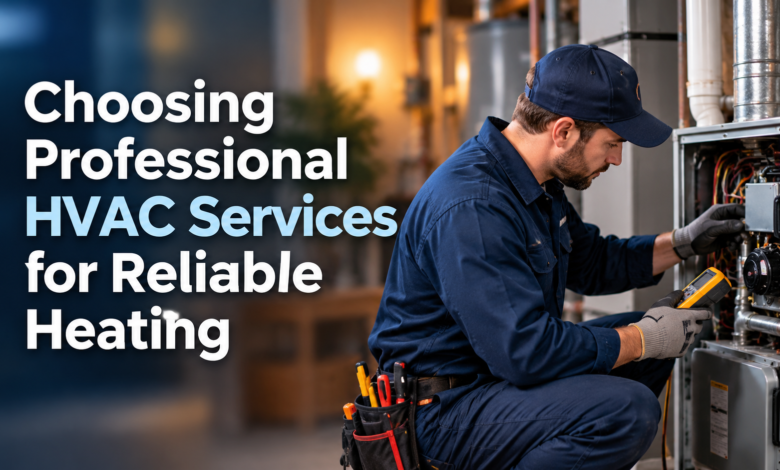
Introduction
Find out how experienced HVAC contractors can keep your heating system working safely, reduce unexpected repairs, and help maintain a comfortable home throughout the colder months.
A warm home makes a big difference when temperatures begin to fall. Nobody wants to wake up on a freezing morning and discover that the heating system has stopped working. Unfortunately, heating problems often appear when the equipment is needed most.
Choosing Professional HVAC Services for Reliable Heating is one of the smartest decisions homeowners can make to maintain indoor comfort, improve energy efficiency, and avoid unnecessary repair expenses.
Professional heating technicians do more than fix broken equipment. They inspect essential components, identify early warning signs, recommend suitable improvements, and help heating systems operate safely.
Whether you have a furnace, heat pump, or central heating system, selecting the right HVAC service provider can make a noticeable difference to your home’s comfort and long-term maintenance costs.
Quick Facts About Professional Heating Services
| Feature | Details |
|---|---|
| Service type | Heating, ventilation, and air conditioning |
| Main purpose | Reliable heating and indoor comfort |
| Common services | Installation, repair, inspection, maintenance |
| Equipment covered | Furnaces, heat pumps, central HVAC systems |
| Recommended maintenance | Usually once a year before the heating season |
| Main benefits | Safety, reliability, energy efficiency |
| Suitable for | Homeowners, landlords, commercial properties |
| Contractor requirements | Relevant training, licensing where required, insurance |
Why Professional Heating Services Matter
A heating system involves electrical components, mechanical equipment, controls, and sometimes gas connections. Each part must work correctly to produce and distribute heat.
Small problems can gradually become expensive repairs.
For example, restricted airflow may force a system to run longer than necessary. A malfunctioning thermostat might cause irregular heating cycles. Worn electrical components can also affect equipment performance.
Qualified HVAC technicians understand how these systems operate and how to investigate problems without relying on guesswork.
Professional service can help homeowners:
- Maintain consistent indoor temperatures.
- Identify potential safety hazards.
- Reduce the risk of unexpected breakdowns.
- Improve heating system efficiency.
- Extend equipment life through proper maintenance.
- Make informed decisions about repairs and replacements.
According to ENERGY STAR’s heating and cooling maintenance checklist, regular pre-season inspections can help prevent equipment problems and unnecessary costs.
The value is simple. A properly maintained heating system is more likely to provide dependable comfort when temperatures drop.
Understanding the Different Types of HVAC Services
Not every heating problem requires the same solution. Some systems need minor adjustments, while others require major repairs or replacement.
Knowing what professional contractors offer makes choosing the right service easier.
Heating System Installation
Installing a heating system involves much more than placing new equipment inside a building.
Technicians must assess the property’s heating requirements, existing ductwork, insulation, ventilation, and equipment compatibility.
Correct system sizing is particularly important.
An oversized heating unit may cycle on and off too frequently, while an undersized system may struggle to maintain comfortable temperatures during extremely cold weather.
Experienced contractors evaluate the building before recommending suitable equipment.
Heating Repairs
Heating equipment can develop problems even when it receives regular maintenance.
Common warning signs include:
- Rooms taking longer than usual to warm up.
- Unusual rattling, buzzing, or grinding noises.
- Heating systems switching on and off repeatedly.
- Unexpected increases in energy bills.
- Weak airflow from heating vents.
- Thermostats failing to maintain the selected temperature.
A technician can inspect the equipment, identify the cause, and explain the available repair options.
Early attention may prevent minor faults from becoming more serious.
Preventive Maintenance
Maintenance is one of the most useful services an HVAC company provides.
A typical professional appointment may involve checking system controls, inspecting electrical connections, assessing airflow, cleaning appropriate components, and examining safety-related parts.
For fuel-burning equipment, technicians may also inspect combustion performance and heat exchangers.
Homeowners should generally arrange heating maintenance before the colder season begins.
This provides time to address problems before the system starts running regularly.
Emergency Heating Assistance
Heating breakdowns do not always happen during business hours.
Some HVAC companies provide emergency services for situations involving sudden equipment failure or potentially dangerous conditions.
Before choosing a contractor, ask whether emergency appointments are available, what areas are covered, and how additional charges are calculated.
If you smell gas, leave the affected area and contact your gas emergency provider or emergency services from a safe location. Do not attempt to operate or repair the equipment yourself.
How to Choose a Reliable Heating Contractor
Finding an HVAC company is easy. Finding one that consistently delivers professional work takes more attention.
A few important checks can help homeowners avoid unsuitable contractors.
Check Qualifications and Experience
Start by checking whether the contractor has the appropriate training, insurance, and licences required in your area.
Licensing rules vary by location and the type of work being performed.
In the United States, technicians performing work that requires refrigerant handling must comply with relevant EPA Section 608 certification requirements.
Experience matters as well.
A contractor familiar with your particular furnace, heat pump, or heating system may be better prepared to diagnose equipment-specific issues.
Read Customer Reviews Carefully
Online reviews can provide useful insight into a company’s customer service.
Pay attention to comments about punctuality, communication, workmanship, and how the business responds when customers report problems.
Do not focus only on star ratings.
Detailed reviews explaining what work was performed can be more helpful than short comments offering little information.
Recommendations from neighbours, relatives, and other local homeowners may also help identify reputable companies.
Request a Written Estimate
A trustworthy contractor should clearly explain the recommended work and expected costs.
Before approving major repairs or installation, request a written estimate that identifies labour charges, materials, equipment, warranties, and any additional costs.
For larger projects, compare several quotations.
The cheapest offer is not automatically the best choice. Installation quality, equipment suitability, and after-service support all matter.
Ask About Guarantees
Heating equipment can represent a substantial household investment.
Ask whether the contractor provides a workmanship warranty and whether equipment parts are covered by a manufacturer’s warranty.
It is also useful to understand what could invalidate warranty coverage.
Written terms make it easier to know who is responsible if a problem appears after installation.
Look for Clear Communication
Good contractors explain their findings in language homeowners can understand.
They should be willing to discuss repair options, replacement recommendations, maintenance needs, and pricing without creating unnecessary pressure.
A company that insists on immediate replacement without assessing the equipment deserves additional scrutiny.
Why Proper Installation Is So Important
Even a high-quality heating system may perform poorly when installed incorrectly.
Improper sizing, restricted airflow, poorly sealed ducts, and incorrect system setup can all affect comfort and energy consumption.
ENERGY STAR reports that improper heating and cooling installation can reduce system efficiency by as much as 30%, depending on the installation problems involved.
This makes installation workmanship just as important as the equipment itself.
Professional installation should include an assessment of the building, appropriate equipment sizing, safe connections, and operating checks before the system is handed over.
A qualified technician should also explain how to operate the controls and maintain the system.
Signs Your Heating Equipment Needs Professional Attention
Heating systems often provide warning signs before a major failure occurs.
Recognising these changes can help homeowners arrange service at an appropriate time.
| Warning sign | Possible explanation |
|---|---|
| Uneven room temperatures | Airflow restrictions, duct problems, poor system balance |
| Unusual operating noises | Loose parts, motor issues, mechanical wear |
| Frequent short cycling | Control faults, airflow problems, sizing issues |
| Rising energy consumption | Dirty components, reduced efficiency, increased heating demand |
| Weak airflow | Blocked filters, blower issues, duct restrictions |
| Heating stops unexpectedly | Electrical faults, safety controls, equipment failure |
These symptoms do not identify a fault on their own. A technician may need to inspect the equipment and carry out diagnostic tests.
Some warning signs require immediate attention.
A carbon monoxide alarm, suspected gas leak, smoke, or strong burning smell should be treated as a safety concern rather than an ordinary maintenance issue.
How Regular Maintenance Supports Energy Efficiency
Heating costs can increase when equipment operates inefficiently.
Dirty filters restrict airflow. Faulty controls may cause unnecessary heating cycles. Poorly maintained components can make a system work harder than intended.
Professional servicing helps identify these problems.
Homeowners can also support efficient operation through simple habits.
Check accessible air filters regularly and clean or replace them according to the manufacturer’s instructions. Keep supply and return vents unobstructed, use thermostat settings suited to your household, and avoid blocking outdoor heat pump units with leaves or other debris.
ENERGY STAR recommends checking heating and cooling filters monthly and arranging annual pre-season professional maintenance.
Remember that lower energy bills are not guaranteed after every service. Actual savings depend on the original condition of the equipment, weather, heating demand, and the improvements made.
Repairing or Replacing Your Heating System
At some point, homeowners may need to decide whether continued repairs are worthwhile.
Age alone does not determine when equipment must be replaced.
The decision should consider reliability, repair costs, energy performance, replacement-part availability, and whether the system can heat the property comfortably.
Repair may be sensible when the equipment is otherwise in good condition and the fault is relatively minor.
Replacement becomes more attractive when breakdowns happen repeatedly, important components have failed, or the cost of keeping the existing system running is increasingly difficult to justify.
ENERGY STAR suggests having heating and cooling equipment evaluated professionally when it is more than ten years old or no longer keeping the property comfortable.
A qualified contractor can compare repair costs with suitable replacement options and explain the potential benefits.
Questions to Ask Before Hiring an HVAC Company
A short conversation can reveal whether a contractor is suitable for the job.
Ask the following questions before making a final decision:
- Are you properly licensed and insured for this type of work?
- Have you worked on my heating system or equipment brand before?
- Will you inspect the system before recommending repairs or replacement?
- Can you provide a detailed written quotation?
- What warranties cover the equipment and workmanship?
- Do you offer scheduled maintenance and emergency appointments?
- Will you test the heating system after completing the work?
- Can you provide references from previous customers?
Clear answers help homeowners compare service providers on more than price alone.
Common Mistakes to Avoid When Selecting Heating Services
Several mistakes can turn an ordinary heating repair into an expensive and frustrating experience.
Choosing only by price: Low initial costs can be misleading when important services, installation requirements, or warranties are excluded.
Ignoring early warning signs: Delaying professional attention may allow equipment problems to become more expensive.
Skipping maintenance: Heating systems often operate for long periods during winter. Regular inspection helps identify wear and operating issues.
Accepting verbal agreements: Written quotations and service terms protect both homeowners and contractors.
Hiring without checking qualifications: Heating systems can involve potentially dangerous electrical, fuel, and combustion components. Appropriate training and authorisation matter.
Taking time to verify the contractor helps reduce avoidable problems.
Building a Long-Term Relationship With Your Heating Provider
Working with the same reliable HVAC company over time can offer practical advantages.
Technicians who maintain records of previous repairs, equipment specifications, and recurring problems may be able to assess future service needs more efficiently.
A continuing service relationship also makes it easier to arrange seasonal appointments.
However, homeowners should still review costs, work quality, and service terms periodically.
Trust should be supported by consistent performance rather than familiarity alone.
Final Thought
Choosing professional HVAC services is about more than fixing a furnace when it stops working.
It means finding a qualified contractor who understands your equipment, provides clear recommendations, takes safety seriously, and helps maintain dependable heating throughout the colder months.
Check credentials, compare written estimates, ask about warranties, and arrange maintenance before winter arrives.
The right combination of professional care and sensible everyday upkeep can help keep a home comfortable while reducing the risk of unpleasant heating surprises.
Frequently Asked Questions
1. What do professional HVAC services include?
Professional HVAC services commonly include heating and cooling installation, equipment repairs, preventive maintenance, inspections, and system replacement.
2. How often should a heating system be serviced?
Most residential heating systems benefit from an annual professional inspection, ideally before the heating season. Always follow the manufacturer’s specific maintenance guidance.
3. How can I find a trustworthy HVAC contractor?
Check licensing and insurance requirements, compare customer reviews, request references, obtain written estimates, and ask about warranties.
4. Can regular HVAC maintenance reduce heating bills?
Maintenance can help restore efficiency when dirt, airflow restrictions, or faulty components are causing unnecessary energy use. Savings depend on the condition of the system.
5. When should I replace my heating system?
Consider professional evaluation when the system becomes unreliable, requires frequent expensive repairs, performs inefficiently, or cannot maintain comfortable temperatures.
6. What causes uneven heating in a house?
Possible causes include blocked vents, duct leakage, insulation problems, thermostat issues, and heating equipment faults.
7. Are emergency HVAC services more expensive?
They can be. Some contractors charge additional fees for overnight, weekend, or holiday appointments. Ask about these charges beforehand.
8. Why is hiring a qualified HVAC technician important?
Qualified technicians can assess complex equipment, identify safety concerns, carry out appropriate repairs, and check that the system operates according to applicable requirements.